
Understanding Closing Costs: What Buyers Should Expect
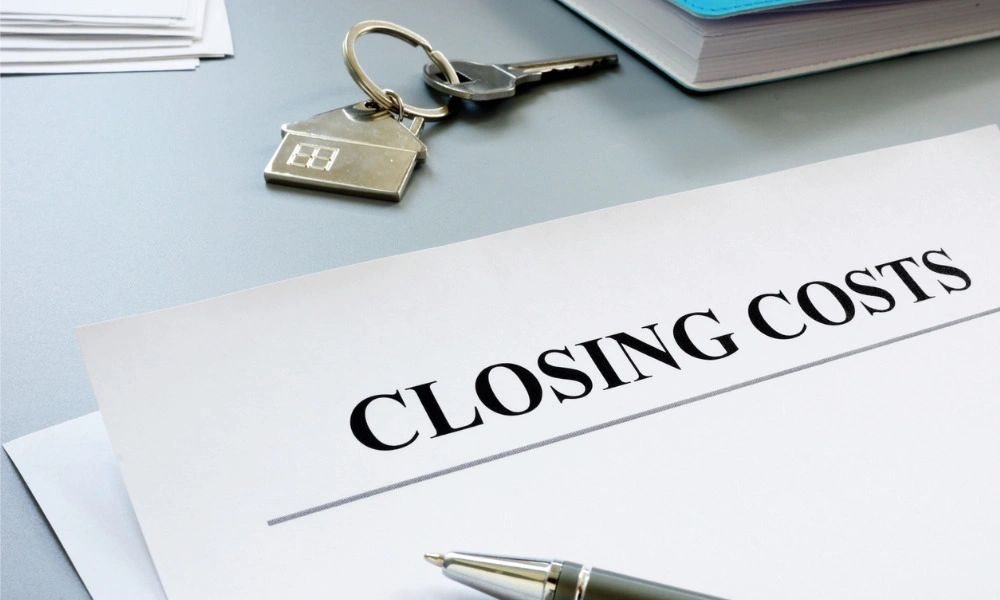
When purchasing a home, there are a variety of expenses that buyers must consider beyond just the cost of the home itself. One of these expenses is known as closing costs. Understanding what closing costs are and what to expect can help buyers avoid any surprises and plan for the financial aspects of the home buying process. In this blog post, we’ll explore what closing costs are, what they typically include, and what buyers should expect when it comes to paying them.
What are Closing Costs?
Closing costs are the expenses associated with the purchase of a home that are not included in the price of the home itself. These costs are typically paid at the “closing” of the sale, which is when the final paperwork is signed and the ownership of the property is officially transferred to the buyer. Closing costs can vary depending on a number of factors, including the location of the home, the type of mortgage being used, and the overall cost of the home.
What’s Included in Closing Costs?
Closing costs can include a variety of expenses, and the exact costs can vary depending on a number of factors. Here are some of the most common expenses included in closing costs:
- Lender Fees: These fees are associated with the mortgage loan and can include things like origination fees, application fees, and underwriting fees.
- Title Fees: These fees are associated with the transfer of ownership of the property and can include things like title search fees, title insurance premiums, and recording fees.
- Appraisal Fees: These fees are associated with the appraisal of the property and are typically paid by the buyer to ensure that the property is worth the amount being paid.
- Inspection Fees: These fees are associated with any inspections that need to be conducted on the property, such as a home inspection or termite inspection.
- Escrow Fees: These fees are associated with the escrow account, which holds funds to pay for property taxes and insurance.
- Prepaid Expenses: These expenses include things like property taxes, homeowners insurance, and prepaid interest on the mortgage.
What Buyers Should Expect
Closing costs can be a significant expense, often totaling between 2% and 5% of the purchase price of the home. Buyers should expect to pay these costs at the time of closing, and they should plan accordingly. Buyers should also be aware that some of these costs can be negotiated or waived, so it’s important to review the closing disclosure carefully and ask questions if there are any fees that are not understood.
Another thing buyers should keep in mind is that closing costs can vary depending on the type of mortgage being used. For example, government-backed loans like FHA and VA loans have limits on the amount of closing costs that can be charged to the borrower. Buyers should be sure to research the specific requirements of the loan they are considering to understand the potential closing costs.
Closing costs can be an unexpected and sometimes overwhelming expense for home buyers. However, by understanding what they are and what to expect, buyers can plan accordingly and make the process of purchasing a home as smooth as possible.